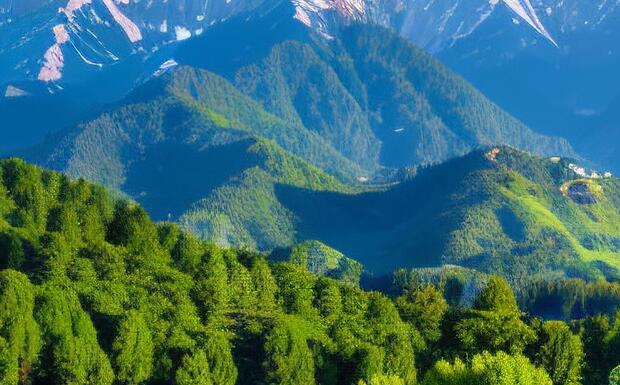
“那里非常美丽”用英语怎么说?5种地道表达惊艳你 探索“那里非常美丽”的英语表达:从基础到意境的进阶指南
在旅行、写作或日常交流中,当我们面对壮丽的风景、迷人的城市或动人的瞬间时,内心往往会涌起一股难以言喻的赞叹。中文里,我们习惯用“那里非常美丽”这样直白而通用的句子来表达。然而,在英语中,如果仅仅使用 "That place is very beautiful",虽然语法正确,却显得略微平淡和单薄,缺乏感染力。 为了帮助你更精准、更地道地表达这份美感,本文将深入探讨“那里非常美丽”的多种英语表达方式,从基础词汇到高级修辞,层层递进,助你提升语言的表现力。
一、 基础表达:简洁明了的日常用语
在日常口语或非正式场合中,简洁往往是最有力的。以下是几种最常见且自然的表达方式: 1. It’s very beautiful there. 这是最直接的对应翻译,适用于任何场合。 例句:We spent a week in Kyoto. It’s very beautiful there, especially in autumn.(我们在京都待了一周。那里非常美丽,尤其是在秋天。) 2. The scenery is stunning. 将重点从“地方”转移到“景色”上,"stunning"(令人惊叹的)比 "beautiful" 更具冲击力。 例句:Have you been to the Swiss Alps? The scenery is stunning.(你去过瑞士阿尔卑斯山吗?那里的景色令人惊叹。) 3. It’s a gorgeous place. "Gorgeous" 常用于形容色彩鲜艳、华丽或极其吸引人的事物,语气比 "beautiful" 更热情。 例句:That little village by the lake is a gorgeous place.(那个湖边的小村庄是个非常美丽的地方。)
二、 进阶表达:丰富词汇,提升质感
为了避免重复使用 "beautiful",我们可以引入更多样化的形容词,根据具体的语境选择最贴切的词汇。
1. 形容自然风景
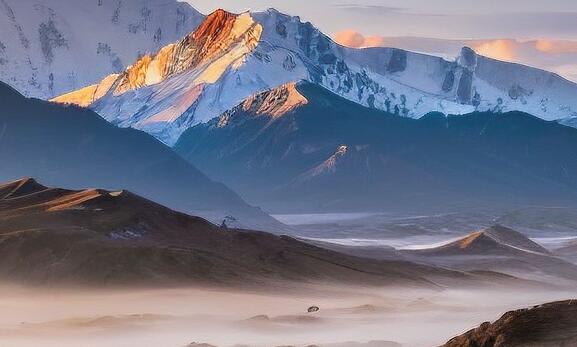
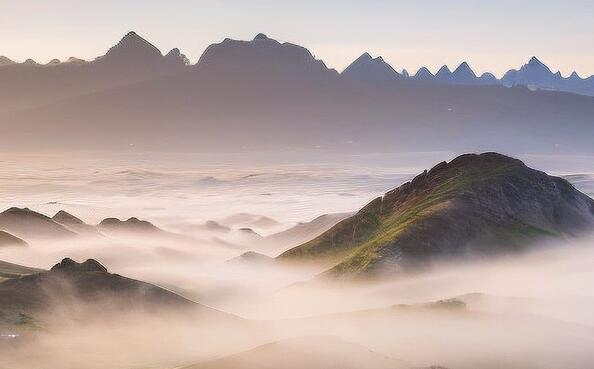
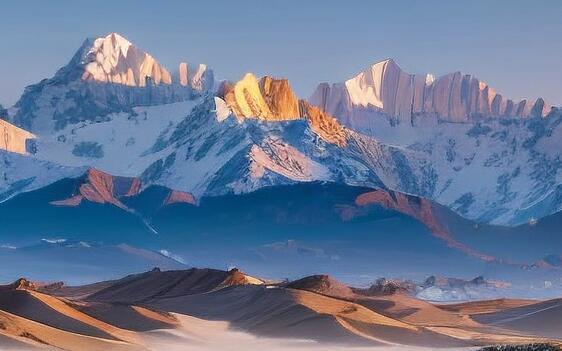
Picturesque:如画的,通常指风景优美得像一幅画,常用于乡村、小镇或海岸线。 例句:The coastal village is incredibly picturesque.(那个沿海村庄美得像画一样。) Breathtaking:美得令人屏息,形容景色壮观到让人窒息。 例句:The view from the top of the mountain was breathtaking.(山顶的景色美得令人屏息。) Idyllic:田园诗般的,形容宁静、快乐、理想化的乡村或自然景色。 例句:They rented an idyllic cottage in the countryside.(他们在乡下租了一栋田园诗般美丽的农舍。)
2. 形容城市或建筑
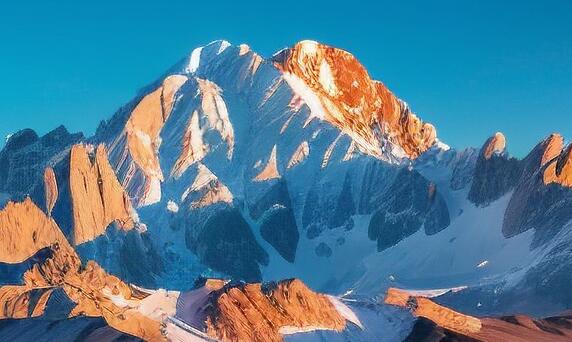
Charming:迷人的,带有魅力和吸引力的,常用于形容有历史感或氛围好的城市。 例句:Prague is a charming city with its old architecture.(布拉格是一座迷人的城市,拥有古老的建筑。) Majestic:宏伟的,庄严的,形容气势磅礴的建筑或自然景观(如大峡谷、金字塔)。 例句:The majestic mountains stood tall against the blue sky.(宏伟的山脉高耸在蓝天之下。) Vibrant:充满活力的,形容色彩丰富、气氛活跃的地方。 例句:New York City is a vibrant place with endless energy.(纽约市是一个充满活力、能量无穷的地方。)
3. 形容整体氛围
Enchanting:令人着迷的,带有魔法般的吸引力,常用于形容夜晚、花园或浪漫的氛围。 例句:The garden was enchanting under the moonlight.(月光下的花园令人着迷。) Serene:宁静的,平和的,强调内心的平静与环境的和谐。 例句:The lake is serene and perfect for meditation.(湖泊宁静祥和,非常适合冥想。)
三、 高级修辞:用句子营造意境
在写作或深度交流中,单纯使用形容词可能不足以传达复杂的情感。此时,可以使用比喻、拟人等修辞手法,或通过描述细节来侧面烘托“美丽”。
1. 使用比喻和拟人
It looks like something out of a fairy tale. (它看起来像童话里走出来的。) Nature has painted a masterpiece here. (大自然在这里绘制了一幅杰作。) The sunset sets the sky on fire. (日落将天空染成了火焰般的色彩——形容晚霞之美。)
2. 通过感官细节描写
不要只说“美丽”,而是告诉读者为什么美丽。 Instead of: "The forest is beautiful." Try: "The forest is alive with the sound of rustling leaves and dappled sunlight filtering through the canopy."(森林充满了树叶沙沙作响的声音,斑驳的阳光透过树冠洒落下来。) Instead of: "The beach is beautiful." Try: "The pristine white sand stretches endlessly, meeting the crystal-clear turquoise water."(纯净的白沙绵延无尽,与清澈的绿松石色海水相接。)
3. 引用名言或文化意象
"A picture is worth a thousand words." 当语言显得苍白时,可以引用这句谚语,暗示景色之美无需多言。 "It’s a sight to behold." (这是一幅值得观赏的景象。)
四、 实用场景对话示例
为了更好地理解这些表达的实际应用,让我们来看几个不同场景下的对话: 场景一:向朋友推荐旅行地 A: I’m thinking of going to Santorini next summer. What do you think? B: Oh, you must go! The views are breathtaking. The white buildings against the blue sea are absolutely picturesque. It’s one of the most charming places I’ve ever visited. 场景二:在社交媒体上分享照片 Caption: Just arrived in Banff. The mountains here are majestic, and the lakes are so serene. It feels like a breathtaking escape from reality. #NatureLovers #Banff 场景三:文学性描述 The old town was enchanting. Cobblestone streets wound through narrow alleys, lined with flowers that spilled over balconies. It was a place where time seemed to stand still, idyllic and peaceful.
五、 结语:语言是美的载体
“那里非常美丽”不仅仅是一句描述,更是一种情感的传递。在英语中,拥有如此丰富的词汇来表达“美丽”,正是语言魅力的体现。 如果你想表达震撼,请用 breathtaking 或 stunning。 如果你想表达宁静,请用 serene 或 idyllic。 如果你想表达魅力,请用 charming 或 picturesque。 掌握这些多样化的表达方式,不仅能让你在口语交流中更加自信地道,也能让你的书面文字更具感染力和画面感。下次当你面对美景时,不妨跳出 "very beautiful" 的框架,用更精准、更生动的英语,去捕捉并分享那份独特的美。 希望这篇文章能为你提供灵感,让你的英语表达如风景般丰富多彩!
免责声明:本文内容来源于公开网络、企业供稿或其他合规渠道,仅用于信息交流与学习参考,不构成任何形式的商业建议或结论。若涉及版权、出处或权利争议,请联系我们将在核实后及时处理。